Well Water Dual Tank System
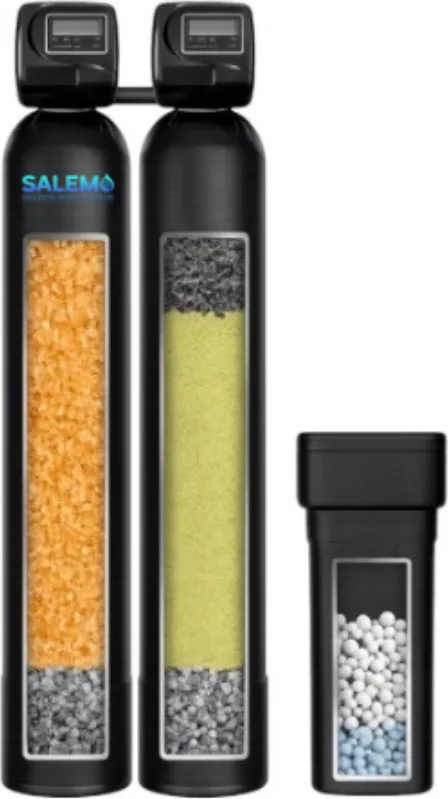
A chemical-free option for well water. An air-injection filter tank oxidizes iron, sulfur, and manganese, then a softener tank removes hardness.
Best for: Private wells with iron, sulfur, or manganese where you'd rather not add chemicals
What it helps with
What you'll notice
No more orange stains
Iron is what leaves rust-colored stains in sinks, toilets, tubs, and laundry. This system removes it.
No rotten-egg smell
Air oxidizes the hydrogen sulfide gas behind that smell so the filter can catch it.
No black or brown stains
Manganese often travels with iron and leaves dark stains. The filter media catches it too.
No chemicals to buy
The filter uses air instead of chlorine or peroxide, and rinses itself clean.
Soft water too
The softening tank removes hardness, so you also get rid of white scale and spots.
Good to know
- We size the filter and softener from your well-water test results.
- You'll add salt to the softener's brine tank now and then.
How it works
What happens to your water
- 1
Air oxidation
The filter valve keeps a pressurized pocket of air at the top of the tank, which oxidizes iron, sulfur, and manganese as water passes through.
- 2
Catalytic filtration
Catalytic carbon and Katalox Light trap the oxidized particles and fine sediment, and raise pH slightly.
- 3
Softening and backwash
The resin tank removes hardness, and both tanks rinse themselves clean on a schedule.
What's included
- Air-injection valve treats iron, sulfur, and manganese without chemicals
- Catalytic coconut-shell carbon and Katalox Light media
- Self-cleaning filter media, backwashed automatically
- 10% cross-linked resin softening tank
Every system is sized from your free in-home water test and installed by our own technicians.
Explore the system
See every part, and where it comes from
Tap any part of the model to see what it does and where we source it. The numbers follow the water through the system.
Step 1 of 5 in the water's path
Ceramic-disc control valve
Water enters here first. Ceramic discs instead of plastic seals for a longer life, with a digital program and a 72-hour memory backup for power outages.
Where it comes from
- Assembled in Wisconsin, USA by Hankscraft
Specifications
Full spec sheet- Valve flow rate
- 28 GPM per valve
- System flow rate
- 25 GPM
- Softening capacity
- 64,000 grains
- Softening resin
- 10% cross-linked, 1.5 cu ft
- Media tank size (D × H)
- 10" × 54", two tanks
- Brine / salt tank
- 15" × 35" square
- Filter media
- Katalox Light 1.0 cu ft + coconut-shell carbon 0.5 cu ft
- Iron reduction
- Up to 7 ppm
- Hydrogen sulfide (sulfur) reduction
- Up to 5 ppm
- Manganese reduction
- Up to 2 ppm
- Port connections
- 1" NPT elbows (included)
- Shipping weight
- About 240 lbs system, 17 lbs brine tank
How it works
From first test to your first clean glass
Step 1: Free in-home water test
A specialist tests your water on-site and walks you through the results. The visit takes about 30 minutes.
Step 2: A plan built for your home
You get a clear recommendation sized to your water and household. There's no pressure and no upsell.
Step 3: Professional installation
One of our own installers, Derrick, Joseph, or Mike, installs, tests, and cleans up, usually within a single day.
Step 4: Ongoing support
We send filter and salt reminders and answer the phone when you have a question.
Compare
Other systems we install
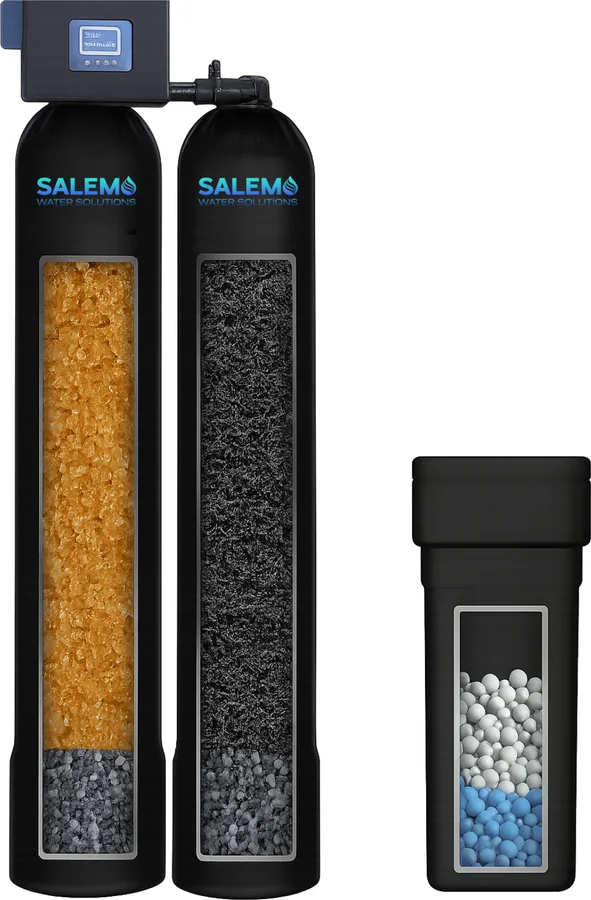 Complete Home SystemCity-water homes that want every tap and appliance protected at once
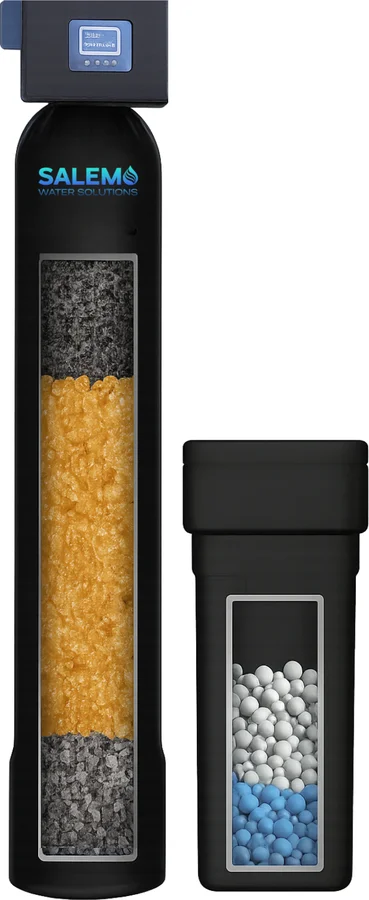 Whole-Home Water SoftenerHomes with hard water and limited space
 Salt-Free Water ConditionerHomeowners who want to stop scale without the upkeep of a softener
 Whole-Home Carbon FilterCity-water homes bothered by chlorine but not hard water
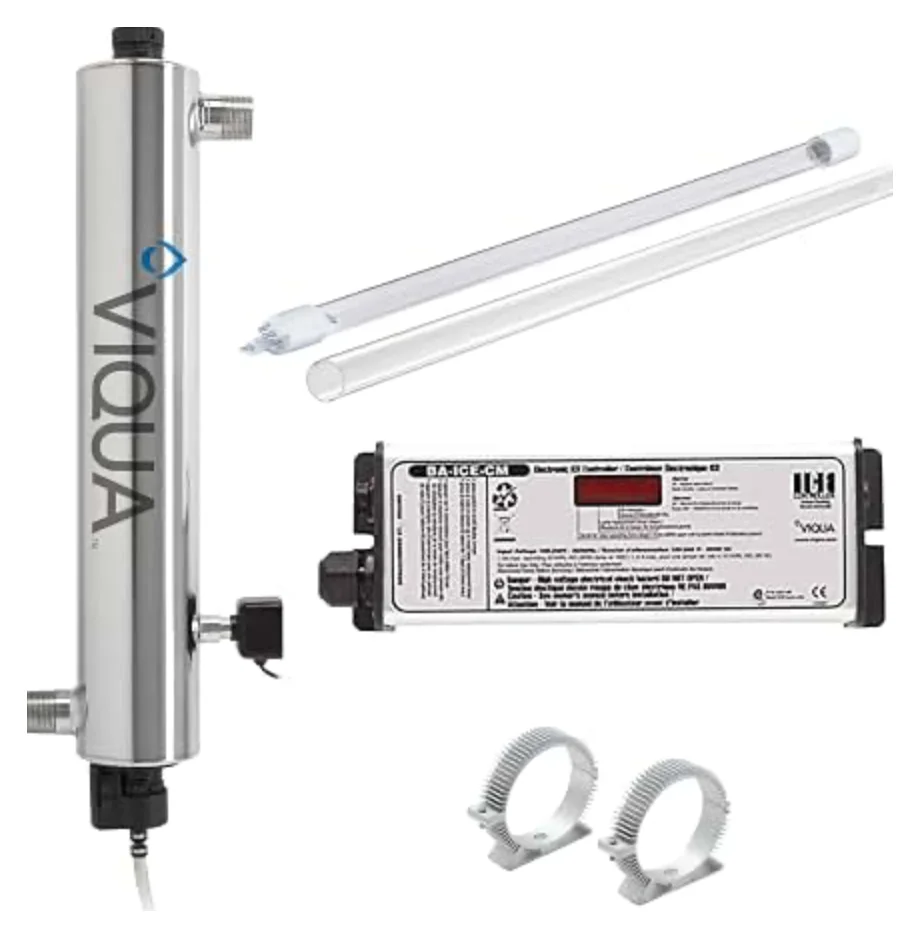 Whole-Home UV SystemPrivate wells, or any home where bacteria is a concern
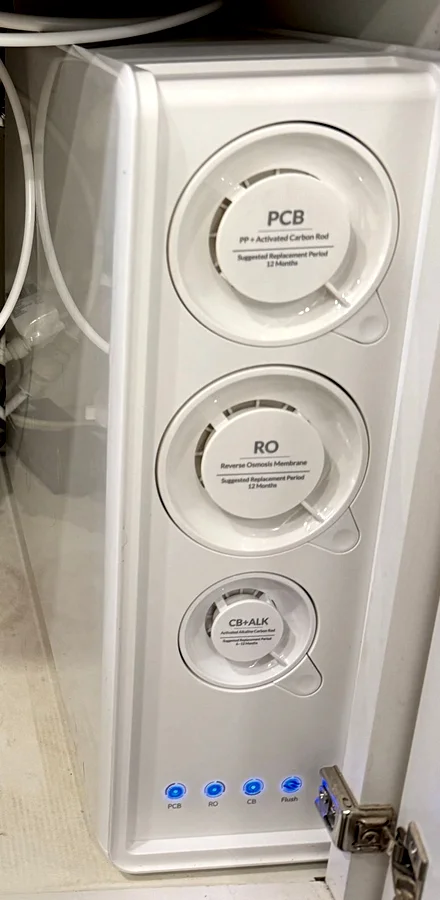 Tankless Alkaline ROReplacing bottled water for drinking and cooking
FAQ
Questions, answered
Can't find what you're looking for? Call (856) 276-5310. A real person picks up.
What does a whole-home system actually do?
It sits where the water line enters your house, so every shower, faucet, and appliance gets treated water, not just one tap.
Do I need a softener, a filter, or both?
Softeners fix hardness (scale, spots, dry skin). Filters fix taste, smell, and contaminants like chlorine. Many homes have both problems. The free water test shows which ones you have.
How does reverse osmosis work?
Water is pushed through a very fine membrane that lets water molecules pass and holds back dissolved solids. Our alkaline stage then adds a little mineral back for a smoother taste.
Will treatment lower my water pressure?
A properly sized system shouldn't cause a noticeable drop. We size tanks and valves to your home's plumbing and flow rate for that reason.
How much does a system cost?
It depends on your water and the size of your home. After the free test you'll get a written, itemized quote with no surprises.
Do you work with private wells?
Yes. Well water often needs iron, sulfur, or sediment treatment on top of softening, so we tailor the setup to your test results.
How long does installation take?
Most installs finish in a single day. We run the system, check for leaks, and show you how everything works before we leave.
What maintenance is involved?
Softeners need salt added every so often; the brine tank holds about two bags. On the RO system, the pre and post filters are changed every 6 months and the RO filter once a year. We'll remind you when they're due.
Is there financing?
Flexible monthly payment options are available for qualifying customers. Ask about them during your consultation.
What does the warranty cover?
Qualifying equipment carries a lifetime warranty. You'll receive the full terms in writing with your quote.
Water quiz
Find the right system for your home
Answer five quick questions and we'll recommend a water treatment solution for your home. Then book your free water test and quote.
- Takes about a minute
- Instant recommendation
- Prefer to talk? Call (856) 276-5310